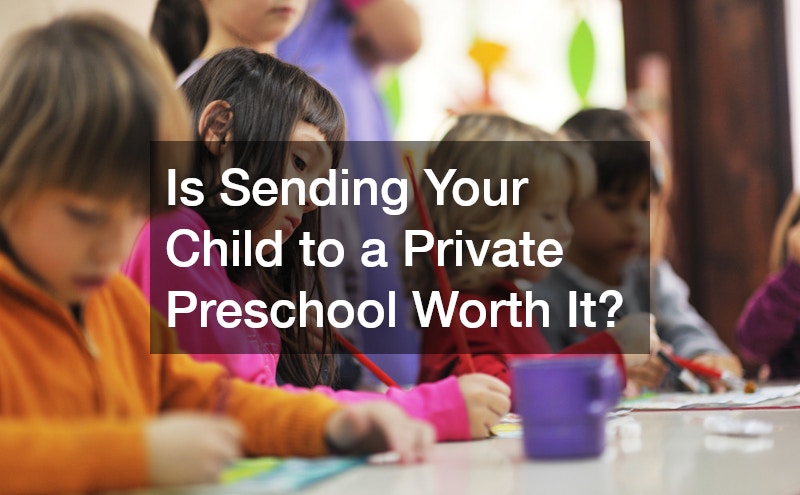
For parents of young children, few decisions are accompanied by as much emotional weight and financial calculation as choosing their child’s first educational environment. The early childhood years are a period of unprecedented neurological growth, laying the foundational architecture for lifelong cognitive, social, and emotional development. As families weigh their options, the question of whether to invest in a private early childhood education looms large. Is the premium price tag of a selective early program a justifiable investment that yields long-term developmental dividends, or do high-quality public alternatives offer an equivalent launchpad for your child’s future?
Evaluating the true return on investment of early childhood education requires moving past superficial marketing brochures and analyzing deep pedagogical methodologies, structural teacher-to-child ratios, and customized developmental resources. For some families, the decision is driven by a desire for specialized curricula, such as Montessori or Reggio Emilia; for others, it is about securing a seamless pathway into competitive primary institutions. This comprehensive operational guide delivers an analytical framework to help you audit early childhood classrooms, evaluate the long-term cognitive and social impacts of early tracking, decode the real-world financial trade-offs, and ultimately determine the optimal developmental path for your child’s unique needs.
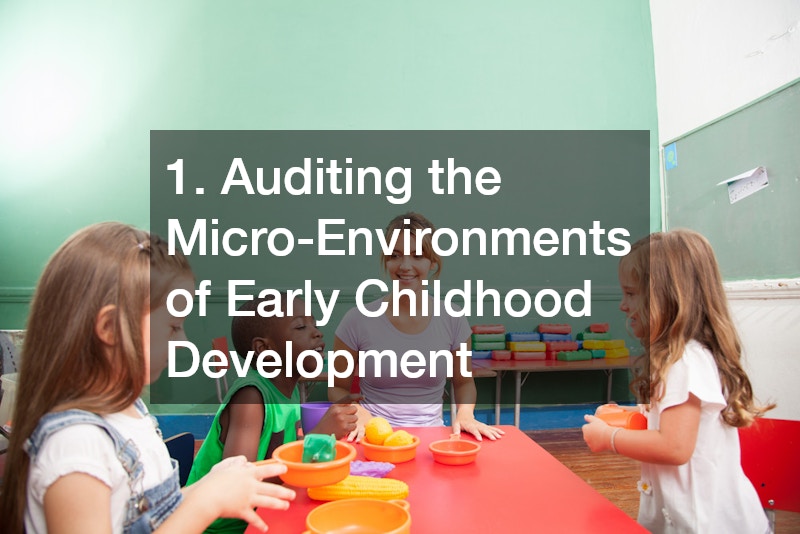
1. Auditing the Micro-Environments of Early Childhood Development
Analyzing Teacher-to-Child Ratios and Individualized Learning Modalities
When assessing the value of early childhood programs, the primary metric of quality is the level of individual attention a child receives during their most formative developmental windows. Standard community daycare centers frequently operate at the maximum legal capacity limits allowed by state licensing boards. In contrast, premium independent early childhood programs intentionally structure their classrooms with lower child-to-teacher ratios. This structural design ensures that educators can move past simple group supervision and focus on micro-level cognitive scaffolding tailored to each child’s unique pacing.
A high-quality preschool environment should function as a highly responsive laboratory for socialization and language acquisition. With fewer children per educator, teachers can instantly document emerging behavioral patterns, identify subtle speech or motor delays, and design targeted interventions before they manifest as learning gaps. When auditing a potential classroom, look for environments where teachers engage in continuous, high-quality verbal loops with children, prompting them with open-ended questions rather than merely issuing passive behavioral commands.
Count Active Classroom Sub-Groupings: Ensure that large classrooms are systematically broken down into smaller, distinct learning stations to prevent sensory overload and encourage deep peer interaction.
Observe Teacher Engagement Durations: Track how long an educator spends interacting one-on-one with an individual child during open play intervals to verify true personalized attention.
Audit Documented Developmental Portfolios: Ask to see anonymous examples of how teachers track individual developmental milestones, ensuring they use structured, data-driven observation logs rather than casual, spoken updates.
2. Navigating Specialized Curricula for the Smallest Learners
Evaluating Sensory-Motor Integration and Emotional Regulation Frameworks
The developmental needs of a two-year-old are vastly different from those of a four-year-old. Early childhood development at this earlier stage focuses heavily on sensory exploration, motor planning, and the monumental task of emotional regulation. When exploring private options for very young children, it is vital to ensure that the curriculum is deeply rooted in age-appropriate developmental science rather than pushing for premature, rigid academic tracking.
An exceptional toddler preschool program focuses its curriculum on building secure attachments and refining foundational physical mechanics. At this stage, children learn through tactile interaction with their physical environment, pouring water, balancing blocks, and exploring diverse textures. Private institutions often have the capital to invest in premium, non-toxic, open-ended structural materials that stimulate spatial awareness and executive functioning skills far more effectively than cheap plastic toys or passive electronic screens.
Inspect Gross Motor Indoor Play Infrastructures: Verify that the facility features dedicated, heavily cushioned indoor soft-play zones to encourage safe climbing, crawling, and physical boundary testing.
Analyze Separation Anxiety Transition Protocols: Look for schools that utilize gradual, multi-day parent integration plans to protect the child’s emotional security during the initial drop-off phase.
Assess Language-Rich Environmental Modeling: Ensure that classrooms are meticulously labeled with both imagery and text at the child’s eye level to naturally stimulate early phonetic and print awareness.
3. Demystifying the Mechanics of Kindergarten Readiness
Analyzing Structured Pre-Academic Metrics and Executive Function Training
As children approach age four, the educational focus naturally shifts toward preparing them for the structural, social, and academic expectations of elementary school. This transition requires a careful blend of child-led exploration and structured, intentional learning intervals to build the stamina needed for a full school day.
When evaluating a high-performing pre k program, parents should look for a curriculum that seamlessly weaves foundational literacy and mathematical concepts into active, hands-on projects. For example, instead of forcing children to complete repetitive paper worksheets, an elite program will teach mathematical sorting, sequencing, and patterning through cooking projects or natural science collections. This advanced pedagogical approach builds deep, conceptual understanding while preserving a child’s natural curiosity and love for learning.
Review Phonemic Awareness Frameworks: Ensure the program utilizes research-backed, play-based phonics systems that emphasize letter-sound blending over simple, rote alphabet memorization.
Evaluate Multi-Step Executive Functioning Challenges: Look for activities that require children to plan, execute, and clean up multi-stage projects, which build critical working memory and cognitive flexibility.
Audit Social-Emotional Conflict Resolution Metrics: Verify that teachers use structured, restorative communication frameworks to guide children through peer disputes, teaching them how to vocalize feelings and negotiate boundaries.
4. Evaluating Inclusivity, Adaptive Infrastructure, and Universal Design
Auditing Physical Classrooms for Comprehensive Family Accessibility and Adaptive Care
True educational excellence is intrinsically tied to how effectively an institution accommodates diverse family structures, physical abilities, and adaptive care needs. When touring elite independent schools, look closely at how the architectural footprint incorporates universal design principles.
For instance, an inclusive institution will ensure its parent-teacher spaces and early care rooms feature specialized furniture configurations, such as accessible cribs for disabled parent use or adaptive changing stations with automated height adjustments. Furthermore, if a child or family member utilizes a specialized prosthetic device, such as an advanced carbon-fiber artificial leg, the entire campus must feature seamless, threshold-free flooring transitions, wide turning radii, and automated entryways. Checking for these advanced accessibility elements shows whether a school is truly committed to providing an equitable, supportive community for every family.
Check Classroom Floor Threshold Transitions: Ensure that heavy weather-stripping or structural step-ups are replaced with flush, non-slip ramp matrices to allow smooth mobility for wheeled devices or prosthetic gaits.
Review Adaptive Furniture Integration: Verify that infant and toddler care spaces utilize specialized side-opening or low-profile crib designs that allow parents with limited lower-body mobility or wheelchair configurations to lift and care for children safely.
Confirm Universal Height Layouts for Tech Hubs: Ensure that check-in kiosks, digital display monitors, and parent communication boards are positioned at varying heights to guarantee clear visibility and access for all adults.
5. Maximizing Holistic Enrichment and Specialized Extracurricular Equipment
Curating Multi-Sensory Arts Spaces and Sourcing Heavy-Duty Physical Development Assets
One of the most compelling arguments for investing in private early education is the sheer volume of specialized resources, dedicated arts spaces, and physical development equipment available on site. While public options are often constrained by tight municipal budgets, independent schools typically maintain robust capital funds to build elite enrichment environments that stimulate every facet of a child’s growing mind and body.
When touring these facilities, look past basic playground structures and check for advanced kinesiology and coordination equipment sourced from premium industrial sporting goods suppliers. Elite private preschools will feature dedicated sensory-motor gyms equipped with specialized rock-climbing walls, balance beams, and indoor agility tracks.
Audit Specialized Creative Art Kilns and Materials: Look for dedicated art studios stocked with professional-grade clay, multi-textured textiles, and high-quality easels that encourage uninhibited creative expression.
Verify Professional Inspection Logs for Agility Gear: Ensure that all indoor climbing walls, suspension swings, and balance structures are inspected quarterly by certified safety professionals.
Analyze Musical Instrument Diversity Metrics: Look for dedicated music rooms equipped with authentic, globally diverse percussion and string instruments rather than cheap plastic musical toys.
6. Mapping Long-Term Academic Trajectories and Systemic Benefits
Analyzing the Compounding Dividends of Early Network Tracking and Elite Admissions Advantages
For many families, the financial commitment to a private early education is viewed as a strategic, long-term investment in their child’s future academic and professional network. Independent early childhood centers often maintain deep, historic relationships with selective private elementary institutions, middle schools, and elite secondary academies, creating a clear, structural pathway for your child’s entire educational journey.
Understanding the long-term advantages of private schooling requires analyzing how these early networks compound over time. Children enrolled in elite private tracks benefit from continuous, highly sophisticated college counseling, access to exclusive corporate internships through alumni networks, and peer groups driven by a deep culture of academic excellence. Starting this tracking during the preschool years ensures your child develops the elite social-emotional skills, advanced vocabulary, and structural confidence required to clear admissions benchmarks down the line.
Analyze Historical Institutional Feeder Metrics: Ask the admissions director for exact data showing what percentage of graduating preschoolers successfully transition into top-tier independent elementary schools.
Evaluate Alumni Network Engagement Depths: Look for schools that host active, multi-generational alumni events, which prove the long-term strength and value of the institution’s community network.
Review Ongoing Professional Development Standards: Ensure the school’s high tuition rates directly fund advanced, continuous Ivy League-level pedagogical training for the teaching staff.
7. Integrating Comprehensive Health, Wellness, and Medical Services
Coordinating On-Site Pediatric Screenings and Structuring Advanced Preventive Care
An elite private early childhood education should look past basic academic instruction and take a holistic approach to a child’s physical health, wellness, and preventative care. Young children undergo rapid physical transformations, and catching subtle vision, hearing, or dental misalignments early can prevent significant learning barriers and developmental setbacks down the road.
Top-tier private preschools frequently build direct partnerships with elite local medical and pediatric dental practices to bring comprehensive health services right to the campus. Having a licensed pediatric dentist conduct regular, stress-free on-site oral health screenings ensures that early tracking of jaw alignment, tooth eruption, and palate development is handled in a familiar, comforting environment. This seamless medical integration reduces parental stress and ensures your child’s physical wellness, which perfectly supports their cognitive growth.
Verify On-Site Full-Time Nursing Credentials: Ensure the facility employs a full-time, registered pediatric nurse capable of managing complex medical plans and emergency responses on campus.
Audit Medical Isolation and Wellness Suite Designs: Check that the school features clean, welcoming health suites equipped with advanced diagnostic tools, separate from the active classrooms.
Review Pediatric Dental and Vision Tracking Protocols: Look for schools that provide parents with detailed, diagnostic health reports after every seasonal on-site medical screening.
8. Engineering High-Engagement Experiential Learning Frameworks
Structuring Field Studies, Dynamic Nature Immersion, and Community Service Matrices
True learning cannot be confined within the four walls of a traditional classroom. The value of a premium private education is deeply tied to the school’s ability to fund, secure, and execute complex, high-engagement experiential learning loops out in the real world. These immersive experiences connect abstract classroom concepts with concrete physical realities, building deep critical thinking skills and a profound sense of global citizenship in young minds.
When evaluating an institution’s curriculum, analyze the depth, frequency, and structural intent of its experiential activities. Elite schools will curate weekly or bi-weekly field studies, ranging from hands-on agricultural exploration at working organic farms to interactive scientific workshops at regional marine biology laboratories. These excursions should be thoroughly integrated into the core curriculum, featuring structured pre-trip research phases and comprehensive post-trip creative design projects.
Analyze Field Study Transportation Safety Matrices: Confirm the school utilizes an independent fleet of modern, meticulously maintained transport vehicles equipped with certified five-point safety harnesses for young children.
Audit Nature-Deficit Mitigation and Forest School Models: Look for programs that dedicate significant weekly blocks to unscripted, outdoor exploration in wild nature reserves to stimulate creative problem-solving.
Evaluate Community-Facing Civic Engagement Loops: Select a school that connects children with local civic projects, such as planting community gardens or participating in intergenerational storytelling programs.
Determining whether a private early childhood education is truly worth the financial investment requires a careful, personalized audit of your family’s financial goals, values, and your child’s unique developmental profile. The undeniable advantages of an elite independent program, including hyper-optimized teacher-to-child ratios, deeply researched specialized pedagogy, comprehensive universal design layouts, and integrated health networks, provide a powerful, unshakeable foundation for lifelong learning. These elite environments look past simple daycare supervision and actively shape your child’s cognitive architecture, curiosity, and social-emotional intelligence during their most critical developmental window.
Ultimately, a private preschool’s true value lies within its dedication to nurturing the whole child while providing families with an aligned, supportive, and resourceful community network. While high-quality public options can certainly produce successful outcomes, the targeted resources, specialized extracurricular frameworks, and long-term academic tracking of an independent school deliver a distinct, compounding advantage that pays dividends far into the future. Invest the time to thoroughly audit your local options using rigorous, data-driven benchmarks; doing so will empower your family to make a confident, informed decision that protects your child’s developmental potential and sets them up for a vibrant, successful future.