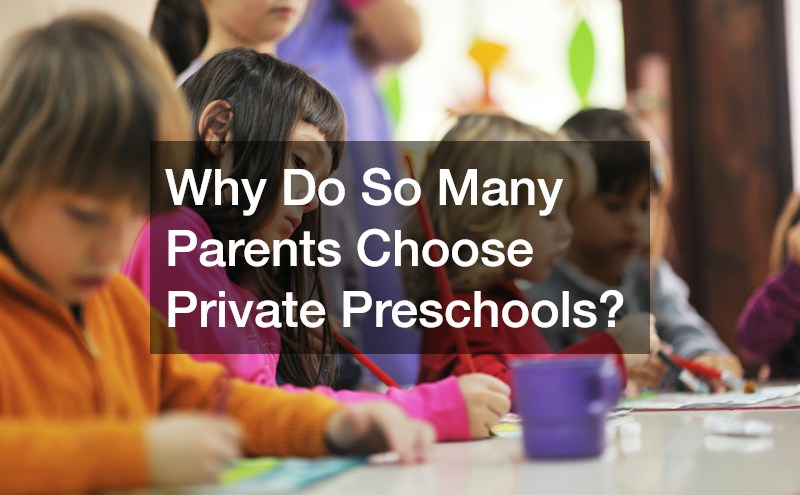
In recent years, there has been a noticeable trend of parents preferring private preschools over public ones. This article explores the various reasons and benefits behind this growing preference. More families are embracing private preschools for their children, seeking environments that promise personal growth and development. The decision to opt for private education often correlates with the desire for a more structured and enriched learning experience.
This shift underscores a significant evolution in the educational priorities for early childhood development.
1. What Are the Main Advantages of Private Preschools?
One main advantage of private preschools is their ability to offer smaller class sizes. This is a significant factor because smaller classes allow for more personalized attention from educators. Teachers in private preschools can tailor their instruction to meet the individual needs of each child. This level of personal attention can foster an environment where children feel more seen and heard. Consequently, children in private preschools often achieve better academic and social outcomes.
Another advantage is the enriched curriculum that many private preschools offer. Unlike some public preschools that might stick strictly to state guidelines, private preschools often have the flexibility to include unique programs such as foreign languages or music. This can be incredibly beneficial for early development as it exposes children to a variety of subjects early on. These enriched programs can enhance creative thinking and problem-solving skills. Ultimately, this exposure broadens the intellectual horizon of young learners.
Furthermore, private preschools often promote a strong sense of community and parental involvement. Parents are typically more engaged due to the open communication and opportunities to participate in school activities. This involvement can create a supportive network that benefits both the children and the parents. By fostering this sense of community, private preschools can create a nurturing environment conducive to learning. This collaborative spirit often extends beyond the classroom, positively impacting the overall educational experience.
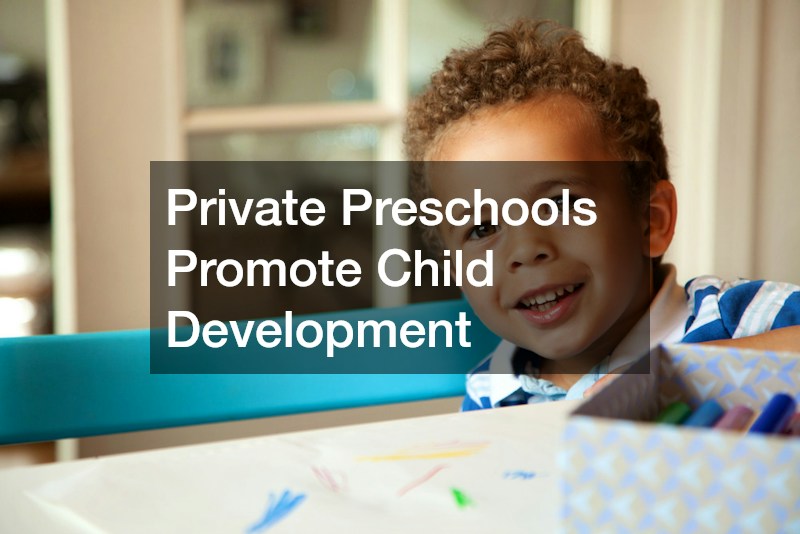
2. How Do Private Preschools Promote Child Development?
Private preschools are designed to cater to the holistic development of children. They focus not just on academics, but also on social, emotional, and physical development. Experienced educators in these schools often use a variety of teaching methods to ensure that all aspects of a child’s growth are addressed. This balanced approach can lead to well-rounded development, preparing children for future academic challenges. Additionally, private preschools often emphasize critical thinking and innovation, crucial skills in today’s world.
The individualized attention in private preschools also promotes the emotional well-being of children. Teachers can cultivate an environment that respects each child’s unique personality and growth pace. This can significantly boost a child’s confidence and self-esteem. As children become more confident, they are more willing to take risks and make decisions. This environment nurtures independence and problem-solving abilities from an early age.
Moreover, private preschools tend to have better resources for children’s physical activity and hands-on learning experiences. With access to well-maintained playgrounds, art studios, and science labs, children have ample opportunities to explore and learn through discovery. Physical activities are not just about keeping children occupied; they are integral to developmental learning. This physical engagement aids in cultivating coordination, teamwork, and motor skills. As a result, children in private preschools often enjoy a more comprehensive development experience.
3. Are Private Preschools More Expensive, and Are They Worth It?
Private preschools are generally more expensive than their public counterparts. This is largely due to the superior resources and lower student-to-teacher ratios they offer. For many parents, the cost is justified by the high-quality education and attention their children receive. The investment in early childhood education is often seen as laying the foundation for future academic success. Consequently, many families view private preschool tuition as a worthwhile expense.
When considering the cost, parents often weigh the immediate financial burden against long-term educational benefits. Studies suggest that early childhood education can significantly impact academic performance throughout a student’s life. This potential for an enduring advantage is a persuasive argument for choosing private education despite the higher cost. Financial sacrifice is often a consideration, but parents prioritize the exceptional learning environment that private preschools offer. Ultimately, the enriching experiences justify the tuition fees for many families.
Another factor contributing to the cost is the specialized training of private preschool educators. These schools often attract highly qualified teachers due to better compensation and work environments. The benefit of learning under experienced educators who are passionate about early childhood development cannot be overstated. This expertise and dedication are often reflected in the learning outcomes and overall satisfaction of families. Therefore, while private preschool is a significant expenditure, the return on investment can be substantial.
4. What Is the Admission Process for Private Preschools?
The admission process for private preschools is often seen as more competitive compared to public preschools. Many institutions require applications detailing a child’s developmental milestones and interests. Interviews or assessments may also be a part of the admission criteria. This process ensures that the school can meet the specific needs and learning styles of each child. By selecting these criteria, private preschools aim to maintain their standard of excellence and fit for all students.
Parents are generally expected to begin the admission process well in advance, sometimes even a year before the intended start date. This can include attending open houses, submitting detailed application forms, and participating in interviews. The thoroughness of this process is designed to ensure match suitability between families and the school’s philosophy. Private schools prioritize this process to sustain their reputation and educational quality. Although arduous, parents often find this to ensure their child’s education aligns with family values and aspirations.
Once admitted, children and parents are usually given a comprehensive orientation. This helps acclimate families to the educational approach and community spirit of the preschool. Regular meetings and updates throughout the year also play a part in maintaining an active communication channel. The establishment of these relationships from admission onwards is key for fostering trust and collaboration. This focus on relationship-building reflects the personalized approach that many parents find appealing about private preschools.
5. How Do Parents Choose the Right Private Preschool?
Choosing the right private preschool often begins with identifying which aspects of education are most important to the family. This might include curriculum focus, class size, or teaching philosophy. Parents are known to visit multiple schools, engage in discussions with teachers, and observe classes in action. By comparing various factors, they can determine which school aligns most with their child’s needs and their family’s values. This careful consideration is integral to ensuring a nurturing educational environment.
Budget is also an essential consideration when selecting a private preschool. While private options tend to be pricier, a family’s choice will often hinge on perceived value and affordability. Financial aid and scholarships can sometimes alleviate the cost burden, making private education more accessible. Parents often weigh the potential for enhanced learning experiences against the tuition fees. Ultimately, the decision is a balance between educational quality and financial capability.
Location and convenience can also influence the decision-making process. Proximity to home or work can significantly affect a family’s daily logistics. A conveniently located school minimizes travel time, which can reduce stress for both parents and children. This factor, alongside others, contributes to the overall decision, as parents strive to choose a setting that fits seamlessly into their lifestyle. In the end, it’s a combination of practical and philosophical considerations that guide parents to the ideal private preschool choice.
In conclusion, although private preschools might come with higher costs and an elaborate admission process, many parents find the benefits in terms of personalized attention, development opportunities, and quality education to be significant determinants in their decision to choose private over public options. The varied curriculum, experienced educators, and nurturing environment provide children with a solid foundation for future learning. As families continue to prioritize their child’s early education, private preschools remain a compelling choice. The right selection involves balancing financial considerations with educational priorities and long-term benefits. Ultimately, the decision reflects a commitment to investing in a child’s potential and future success.